
 by INVESTO CONSULTING GROUP +919999077799 +918750000081
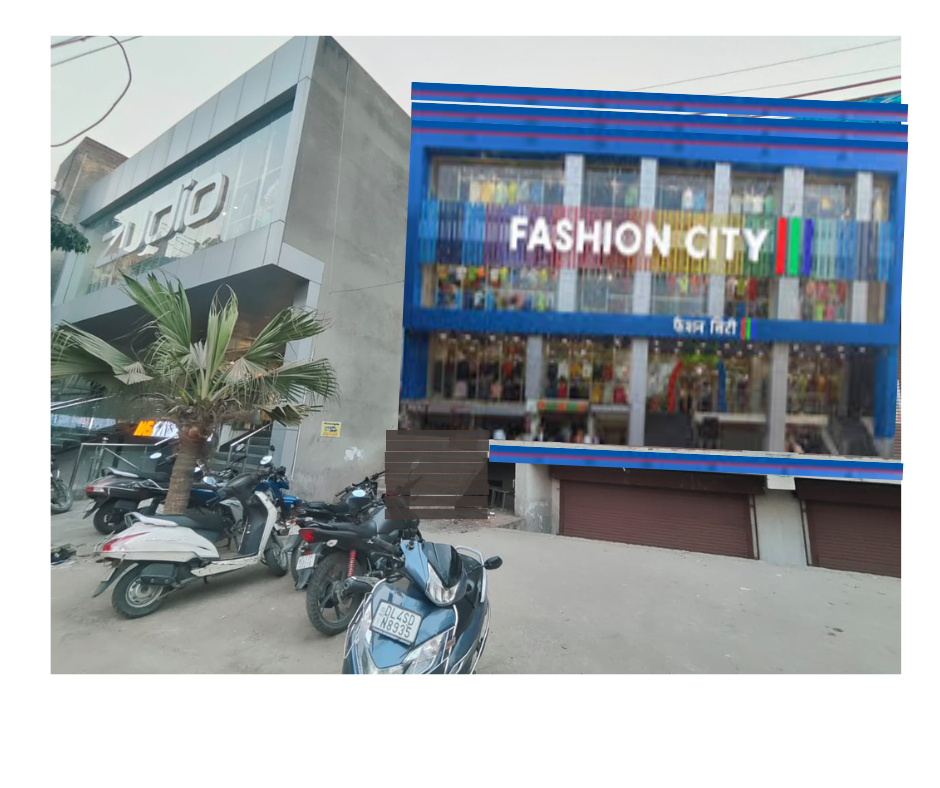
 Many brands are on expansion mode on high streets-in many cities across India, everyone want 50 feet plus front showroom space – before this what you need to know. The legality of a commercial showroom on a “high street” (a notified wide road) depends on several specific factors, not just the road width.
Here’s a detailed breakdown of the rules and how they apply:
1. The Core Concept: “Mixed-Use” & “Commercial” Streets
Delhi’s Master Plan and the Unified Building Bye-Laws govern what activities are permitted on a plot. High streets are typically designated as “Mixed-Use Streets” or “Commercial Streets.”
- Notified Roads (Mixed-Use Streets): The Government of Delhi notifies specific roads (usually with a right of way/width of 18 meters or more) where “mixed-use” is permitted. On these roads, even plots originally earmarked for residential use in the Master Plan can have commercial activities on the ground floor and basement (for parking/service).
- Approved Floors: The upper floors (1st, 2nd, 3rd, etc.) on such plots primarily remain residential. They can sometimes be used for professional activities (like offices of lawyers, architects, etc.) if allowed, but not for retail/showrooms. Full commercial use is generally restricted to the ground floor facade along the notified road.
2. Key Rules for a Commercial Showroom on a High Street
For a showroom to be legally compliant, the following must align:
- Road Width: The plot must front a notified mixed-use street. The minimum width is often 18 meters (approx. 60 feet), but some notified roads can be 15 meters or even 13.5 meters in specific contexts. You must check the latest notification list.
- Ground Floor Only: Commercial activity (like a showroom) is typically permitted only on the ground floor. The basement cannot be used for retail; it’s for parking, services, or storage incidental to the ground floor business.
- Maximum Commercial Coverage: Only a specific percentage (usually 50%) of the ground floor area of the plot can be used for commercial purposes. The remaining area must remain residential/common.
- Sanctioned Building Plan: The building must have a sanctioned plan from the Municipal Corporation of Delhi (MCD) that explicitly approves the building as a “mixed-use” property. Having 3-4 approved floors doesn’t automatically make the ground floor showroom legal. The plan must sanction the use.
- Trade License & Fire NOC: The business must obtain a Trade License from the MCD for the specific commercial activity. If the showroom size exceeds a certain threshold, a No Objection Certificate (NOC) from the Fire Department is mandatory.
- Parketing Requirements: The building must provide the sanctioned number of parking spaces as per its size and use. Mixed-use buildings have higher parking requirements.
3. What Does “All 3-4 Approved Floors” Mean?
This is a critical point. Approval for floors relates to building structure and safety, not necessarily the permissible use on each floor.
- Scenario A (Likely Legal): The sanctioned building plan is for a “Mixed-Use Building” on a notified road. The ground floor is shown as commercial/showroom, and the upper floors are shown as residential. This is the standard legal setup.
- Scenario B (Likely Illegal): The building has a sanctioned plan for a purely residential building on a plot that later fronted a notified road. If the owner converts the ground floor to a showroom without getting the building plan re-sanctioned for “mixed-use,” it is an unauthorized change of use, even if the structure itself is approved. This is a common source of violation.
4. Important Considerations & Potential Violations
- Unauthorized Construction: Any construction beyond the sanctioned plan (e.g., covering the balcony, adding a mezzanine inside without approval) is illegal.
- Misuse Charges: If a residential building on a notified road is converted to mixed-use, the owner can often regularize it by paying a “misuse charge” to the MCD, as per policy. This is a form of ex-post-facto regularization.
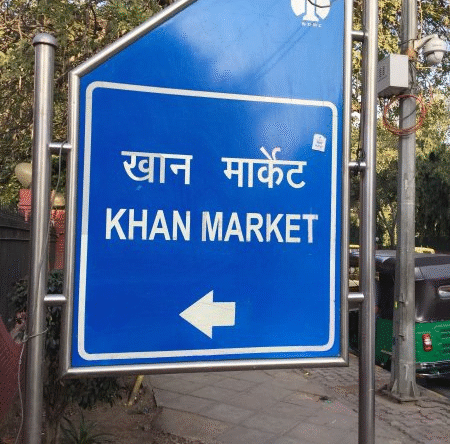
- High Street vs. Local Market: Not all wide roads are “notified.” A true high street like Khan Market, South Extension, or parts of Karol Bagh are planned commercial areas. This secenario is same in Mumbai, Hyderabad, Bengaluru, Goa, Pune, Ahmedabad & Bhubaneswar Other wide roads may only allow limited professional activity, not full-fledged retail showrooms.
Summary Checklist for Legal Compliance
For a high street showroom to be fully legal, verify these points:
- ✅ The plot fronts a officially notified mixed-use/commercial street (check MCD/DDA notifications).
- ✅ The building has a sanctioned plan from MCD for “Mixed-Use” or “Commercial” use.
- ✅ The showroom is confined to the ground floor (and possibly a sanctioned mezzanine).
- ✅ The commercial area is within the permissible coverage limit (e.g., 50% of ground floor).
- ✅ A valid Trade License for the business activity is displayed.
- ✅ Required Fire NOC is obtained (if applicable).
- ✅ Parking provisions as per the sanctioned plan are maintained.
How to Verify?
- Check the Property Tax Receipt: It often mentions the property classification (Residential, Mixed-Use, Commercial).
- Apply for Certified Building Plans: You can request a copy of the sanctioned plan from the MCD’s building department to see the approved uses.
- Consult a Chartered Engineer/Local Architect: They can help interpret the plans and check against the latest Master Plan provisions.
- Search for Notified Road Lists: Look for official orders from the Delhi Government’s Urban Development Department or MCD regarding mixed-use notifications.
Disclaimer: This is a general explanation based on prevailing rules. Regulations are subject to change through new Master Plans (like MPD-2041), court orders, and specific municipal policies. For a definitive legal opinion on a specific property, consult INVESTO Consulting Group , we are specializing in Delhi municipal laws & with qualified architects in our team to help with your expansion.